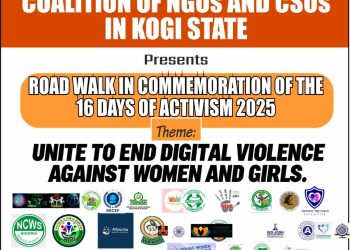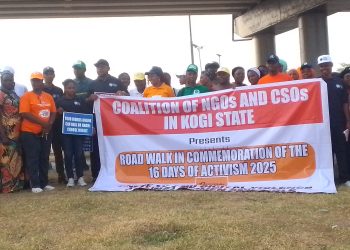


A coalition of NGOs and CSOs in Kogi State organized a sensitisation road walk to mark the 16 Days of Activism against Gender‑Based Violence (GBV) in 2025.
The campaign, which concluded on 10 December 2025, was intended to raise awareness about violence against women and girls and to demonstrate solidarity across the state.
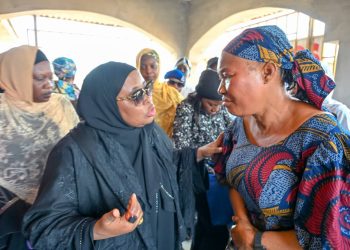
During the walk, which began at Ganaja Junction and finished at the Ministry of Women Affairs and Social Development, Commissioner for Women Affairs and Social Development, Acharu Okpanachi, explained that GBV is not merely a “women’s issue.”
She described it as a family, community, economic, moral and developmental problem that harms children physically and emotionally and can permanently alter their life trajectories.
Represented by the Ministry’s Permanent Secretary, she emphasised that when women, girls or persons with disabilities experience violence, the whole family suffers, and the productivity and peace of entire communities are undermined.
Hon. Okpanachi warned that abused children threaten the future of society and that normalising silence turns injustice into a cultural norm.
She pledged the Ministry’s support and promised to collaborate with all stakeholders to end violence against women and girls in Kogi State.
She also urged mothers to be vigilant guardians of their children’s safety.
Barrister Lilian Okolo, team leader of this year’s 16 Days of Activism, outlined the severe challenges faced by GBV survivors.
She urged the government to partner more closely with NGOs and CSOs to tackle the menace and to ensure that effective support mechanisms are put in place.
Executive Director of RECEF, Muraina, Idris Ozovehe, affirmed that the 2025 campaign is a joint effort of NGOs and CSOs, centred on the theme “Unite to End Digital Violence Against Women and Girls.”
He reported that these organisations are working to keep sexual‑assault centres operational so that survivors receive timely assistance.
Ozovehe also appealed to the Commissioner for Women Affairs to increase efforts to establish and maintain such centres throughout Kogi State.
State Coordinator of African Women Lawyers Association (AWLA) Nigeria Kogi State Branch, Barrister Joy Oluwaseun Akinola, noted that this year’s activism stands out because of strong collaboration between government bodies and civil‑society partners.
She called for greater investment in infrastructure such as safe shelters and counselling in facilities to help survivors recover from trauma and to encourage more victims to come forward.